
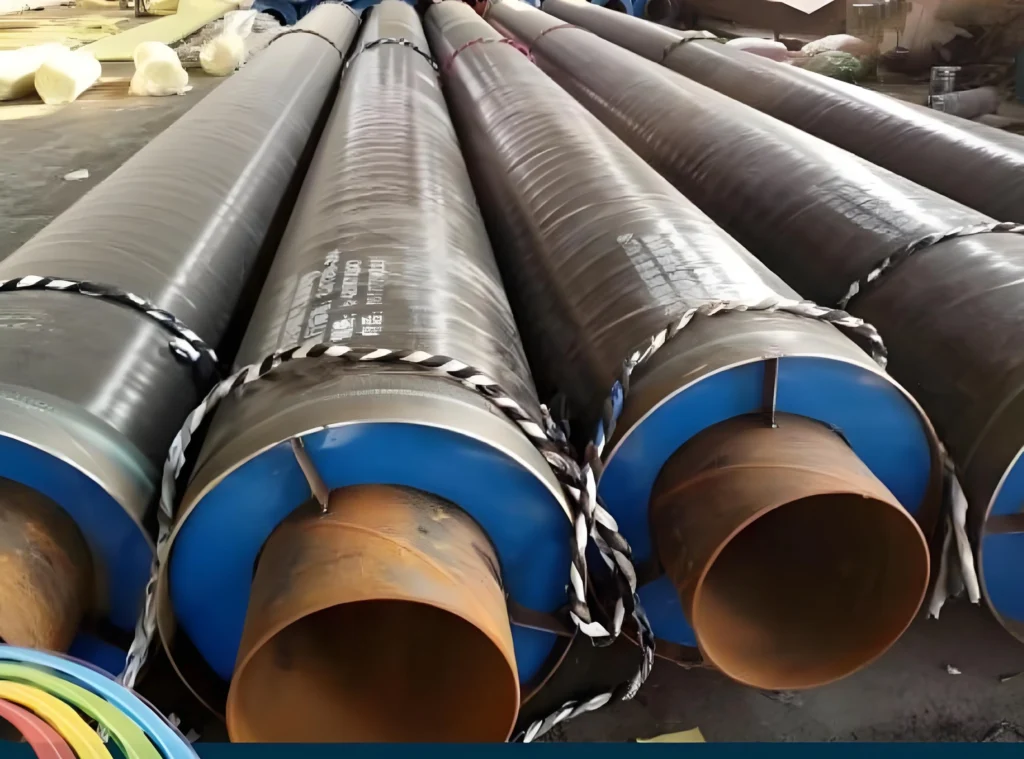
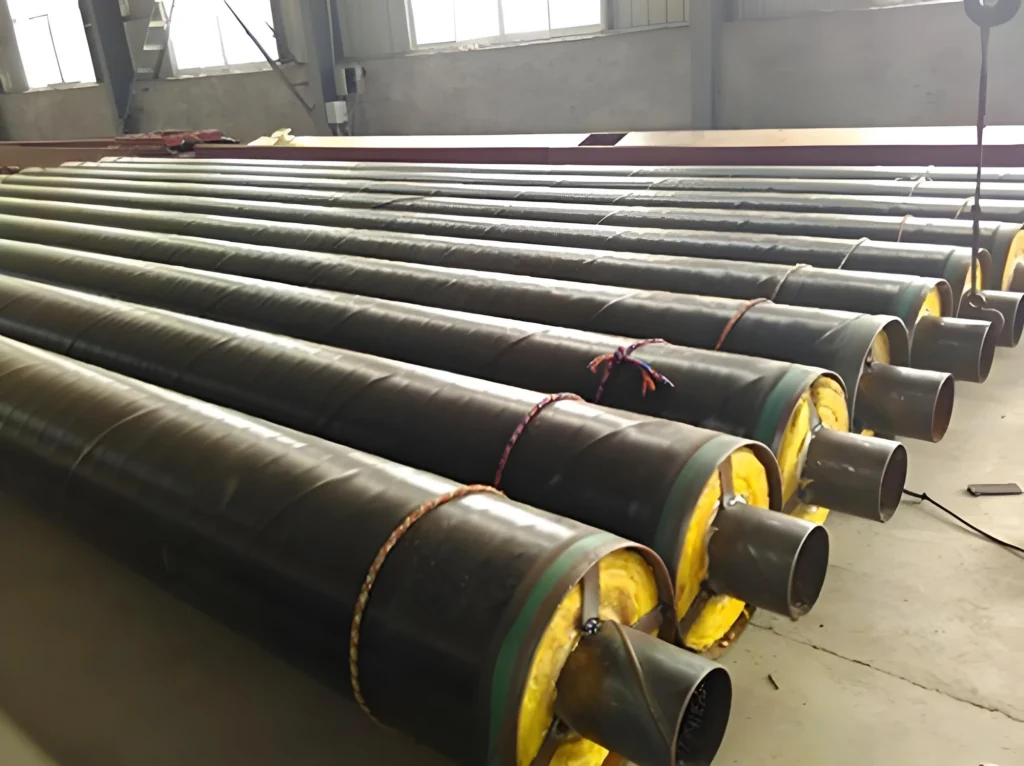
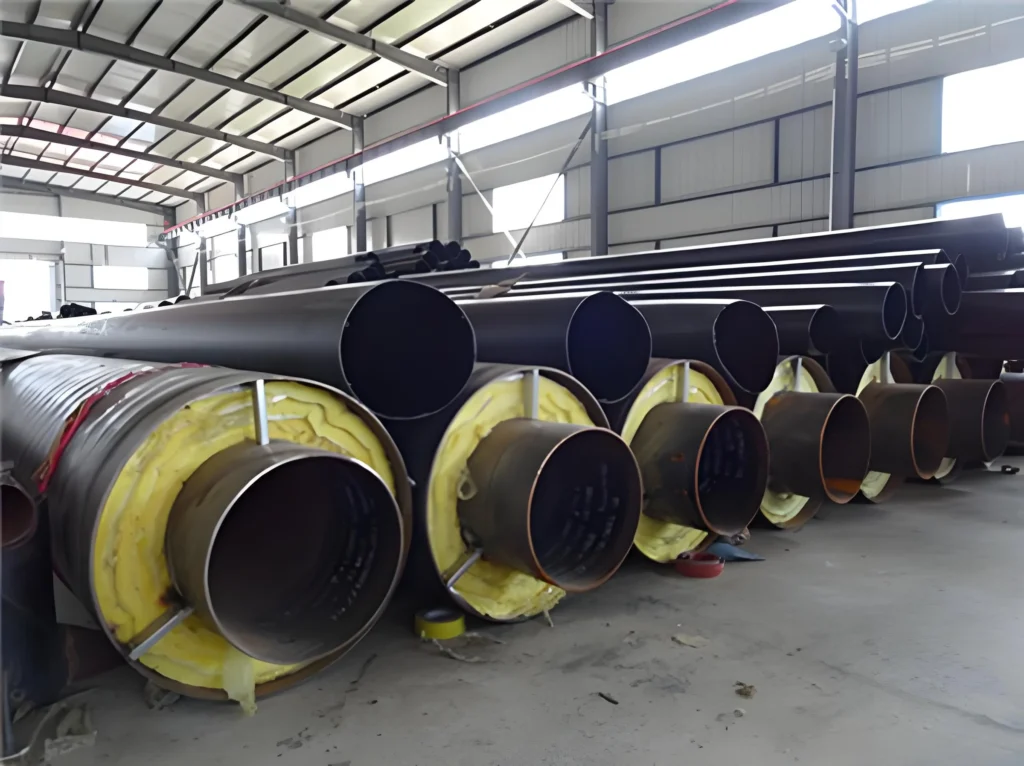
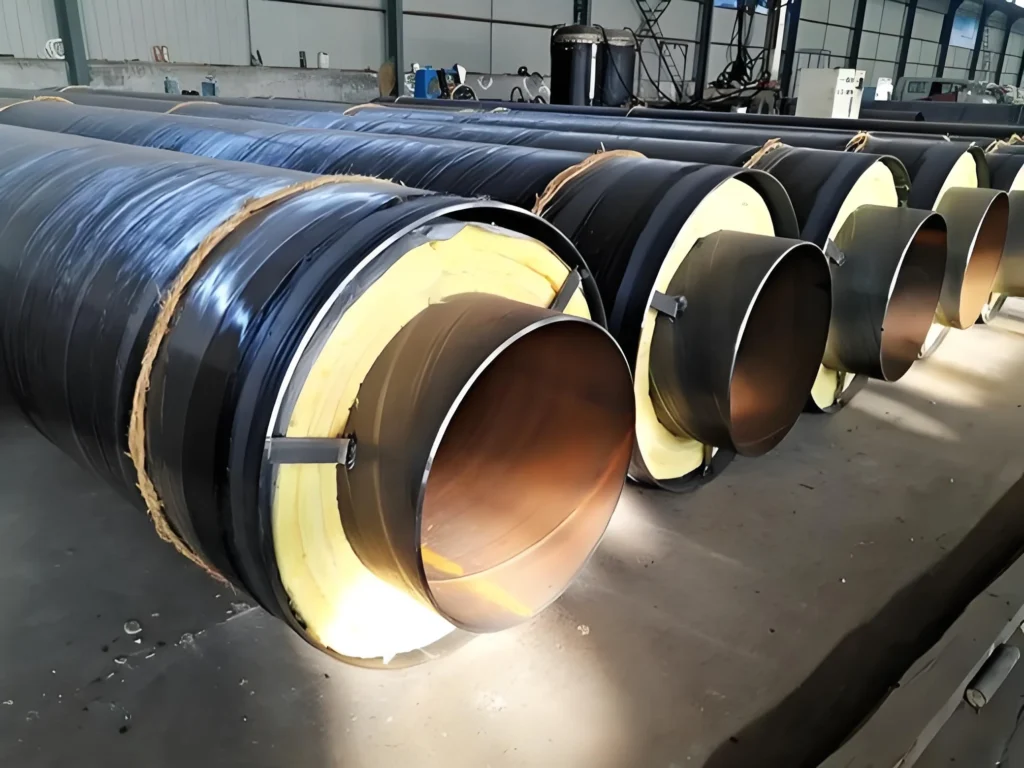
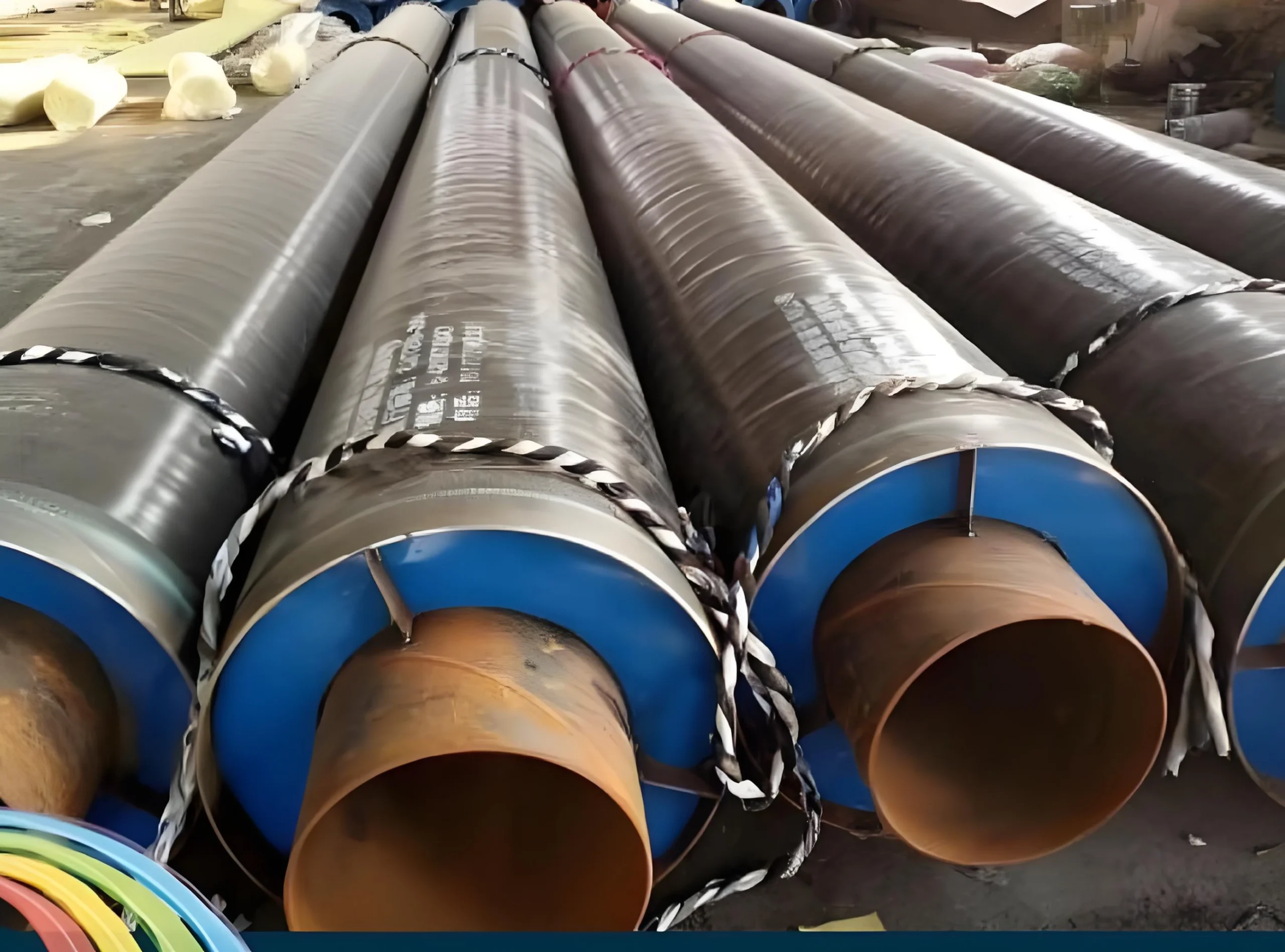
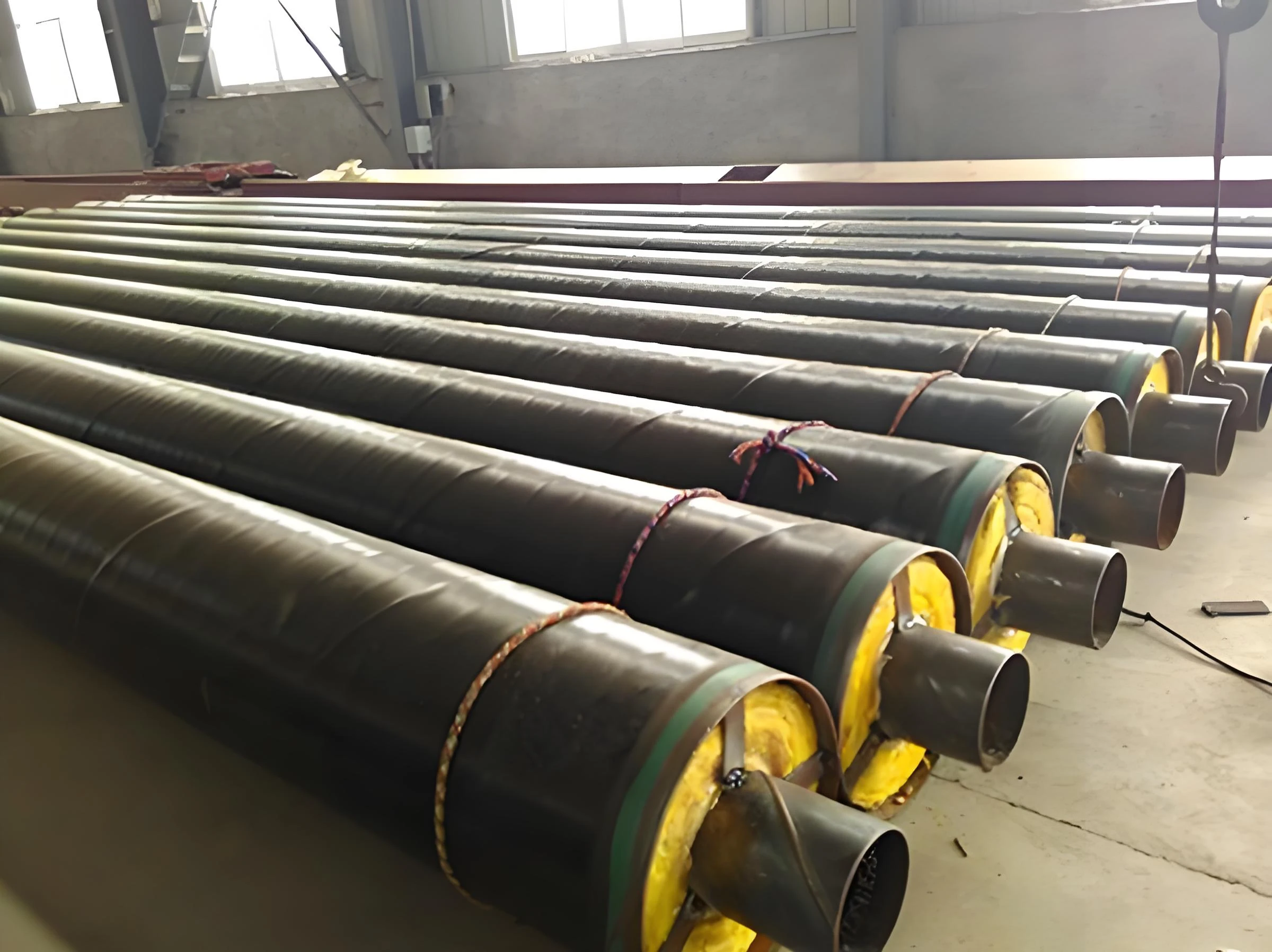
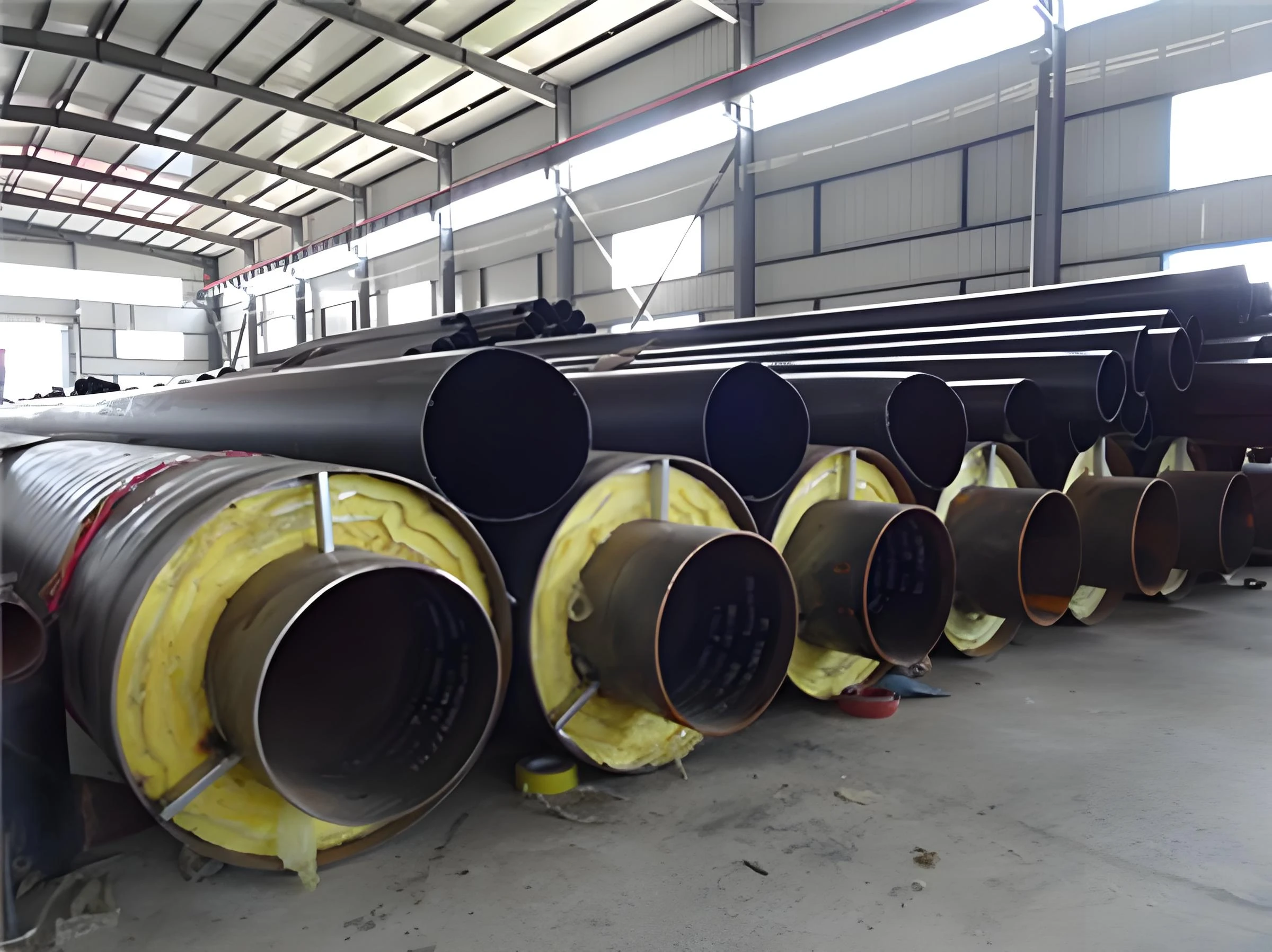
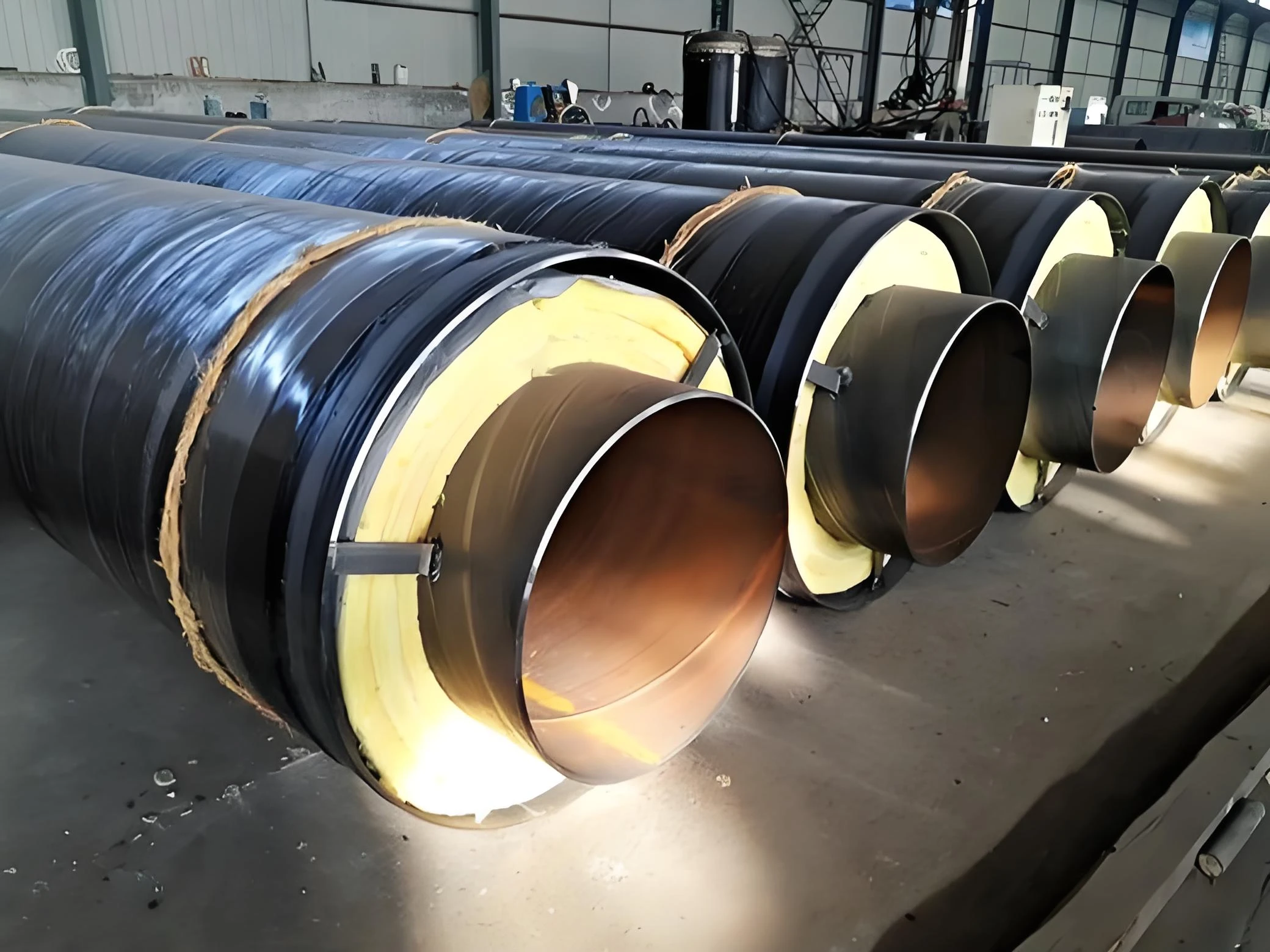
Steel Jacketed Insulated Pipes utilize advanced steel pipe outer jacket insulation technology, delivering superior thermal isolation to minimize heat loss and enhance energy efficiency. This product not only effectively withstands high and low temperature environments but also offers outstanding corrosion resistance, ensuring long-term reliability in harsh conditions.
- Outer protective pipe material: Carbon steel / Stainless steel (corrosion resistance grade optional)
- Insulation layer material and thickness: Polyurethane foam / Rock wool (mm)
- Operating temperature range: -50℃ ~ +450℃ (depending on structure)
- Design pressure: ≤ 2.5 MPa (customizable)
Introduction
Industrial Steel Jacketed Insulated Pipes are composite pipelines consisting of three components: a steel pipe, an insulating layer, and an outer steel pipe. The inner steel pipe carries and transports fluids, while the outer steel pipe provides protection. The insulating layer offers thermal isolation, minimizing heat loss. Common insulation materials include polyurethane, rock wool, and rubber-plastic composites, which effectively isolate the temperature difference between the pipe’s interior and exterior, ensuring stable fluid temperature during transportation.
DHX offers a wide range of customization options, including various insulation materials (such as polyurethane and rock wool) and dimensional configurations, tailored to specific project requirements. Whether for oil and gas transportation or municipal heating systems, we provide efficient and reliable pipeline insulation solutions.
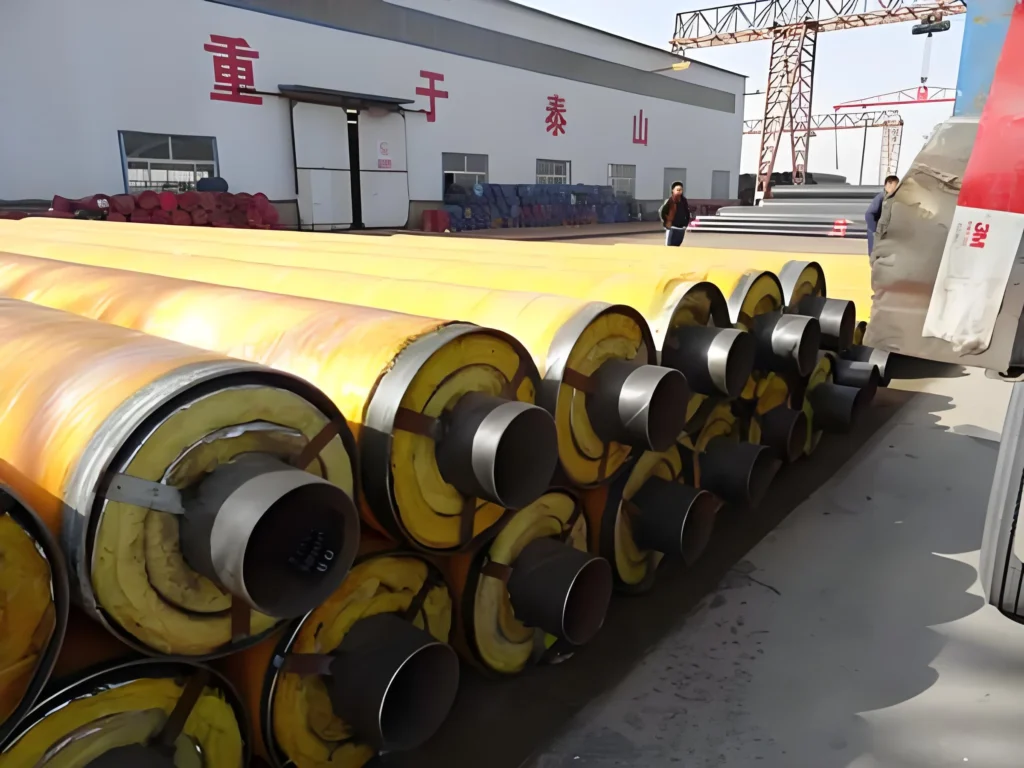
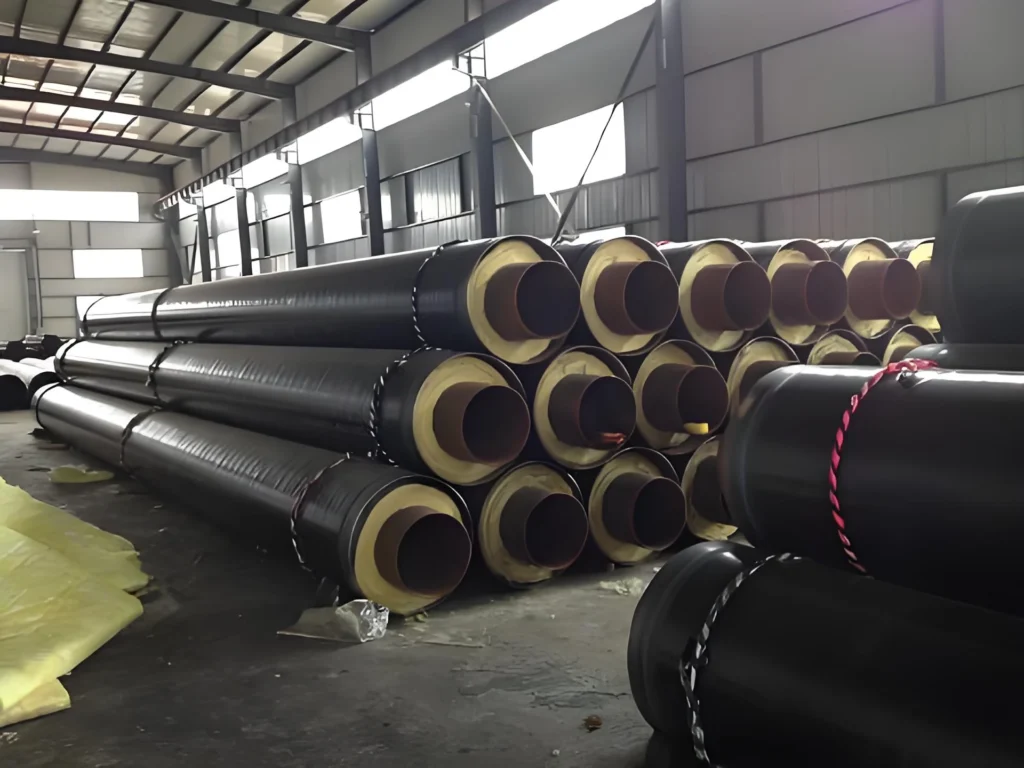
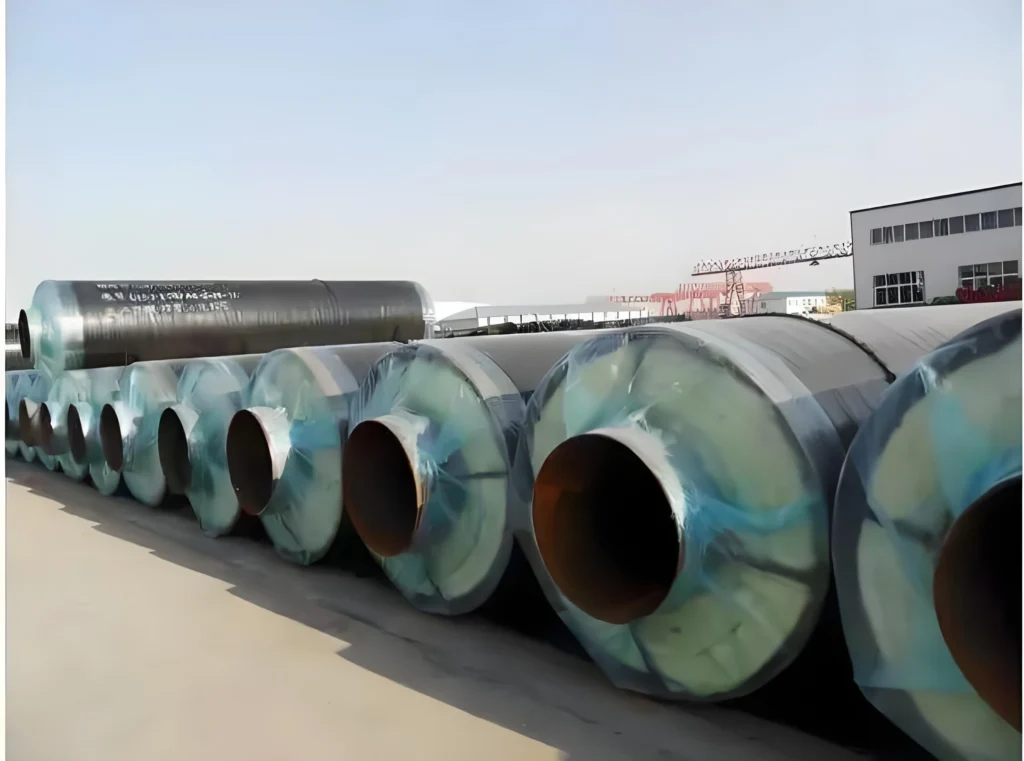
Structure of Steel Jacketed Insulated Pipe
Steel Jacketed Insulated Pipes are divided into three layers from the inside to the outside:
First layer: Working steel pipe layer. According to design and customer requirements, seamless pipes, spiral welded pipes, and straight seam welded pipes are generally selected. After the surface of the steel pipe is treated with an advanced shot blasting derusting process, the derusting grade of the steel pipe can reach Sa2 level in the standard, and the surface roughness can reach R=12.5 microns in the standard.
Second layer: Polyurethane insulation layer. A high-pressure foaming machine is used to inject rigid polyurethane foam stock solution into the cavity formed between the steel pipe and the outer sheath at one time. This is commonly known as the “pipe-in-pipe foaming process”. Its functions are: first, waterproofing; second, thermal insulation; third, supporting the self-weight of the heat network. When the temperature of the transported medium is -50℃ – 120℃, rigid polyurethane foam is selected as the insulation layer.
Third layer: Anti-corrosion steel pipe. Anti-corrosion and insulated steel pipes are a type of steel pipe with anti-corrosion performance and good thermal insulation performance. They are widely used and promoted in construction projects, and are constantly being improved and popularized.
Steel-sheathed steel insulated steel pipes have different processing types and methods. Different processing methods determine that the steel pipes have different properties and functions, and their application scope will also change accordingly.
Specification
| Technical Specifications | Details |
|---|---|
| Outer Diameter Range | 50mm – 1600mm |
| Wall Thickness Range | 3mm – 50mm |
| Insulation Materials | Polyurethane, Rock Wool, Mineral Wool, Rubber, etc. |
| Jacket Material | Carbon Steel, Stainless Steel, Galvanized Steel |
| Max Operating Temperature | Up to 250°C |
| Standard | GB/T 17219, ISO 9001, ASTM, EN standards |
| Length | Customizable (typically 6m – 12m) |
| Insulation Thickness | 25mm – 100mm (customizable) |
| Working Pressure | Up to 10 MPa (depending on specification) |
| Fire Resistance | Fire-resistant materials as per international standards |
| Corrosion Resistance | Corrosion-resistant coating (3PE, FBE, etc.) |
| Application | Energy, Oil & Gas, Chemical, District Heating, Municipal Works |
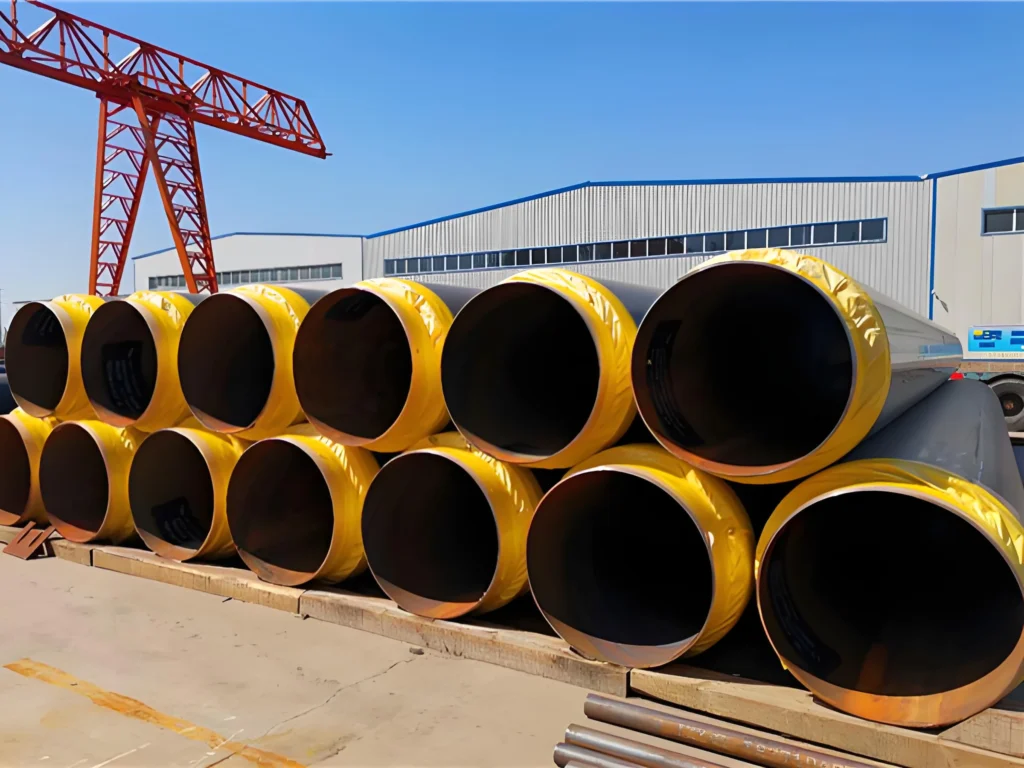
Advantages
Applications
- Energy Industry: Suitable for heat pipelines, steam transmission, and energy transportation.
- Oil & Gas: Used for insulation of oil and natural gas pipelines to ensure efficient transportation.
- Chemical Industry: Suitable for transporting chemical substances and liquids, reducing energy consumption.
- Municipal and Building: Provides municipal heating and cooling pipeline solutions to improve energy efficiency.


Get a Quote Now
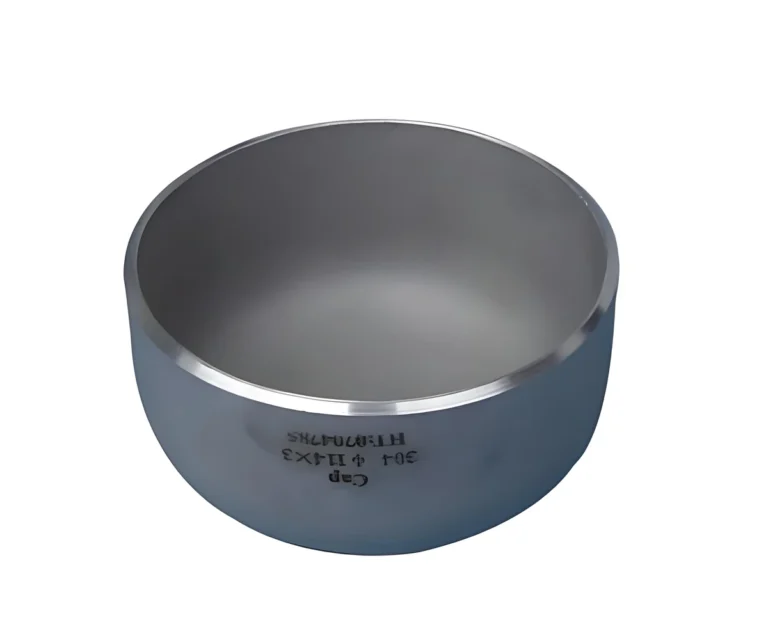
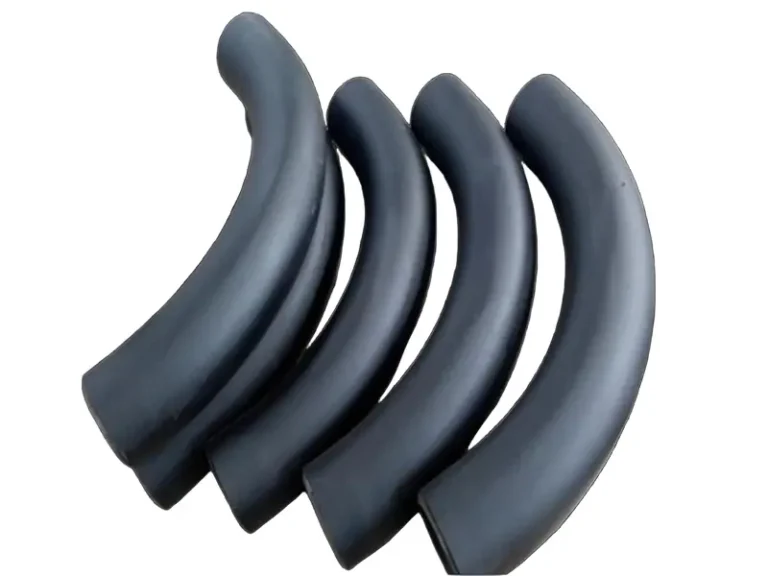
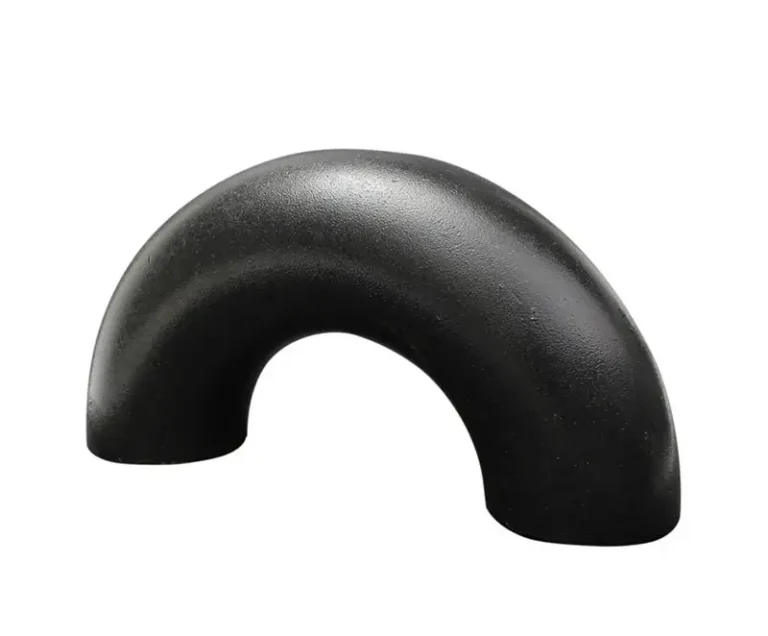
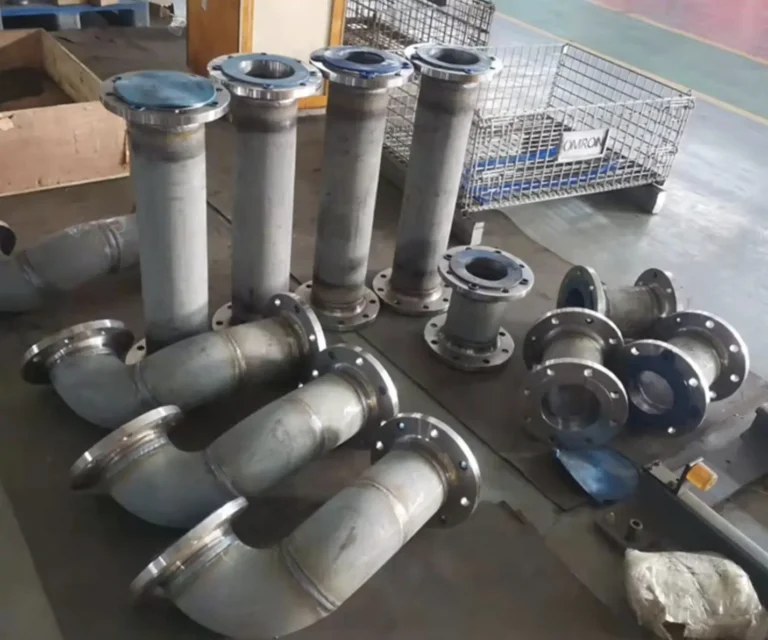
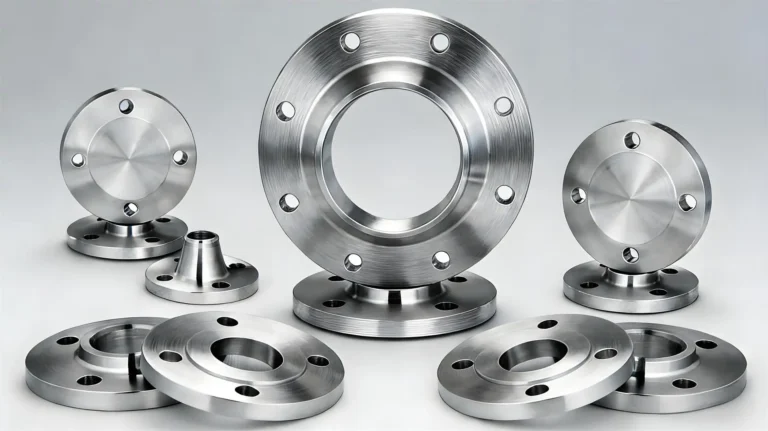
We offer butt-welded pipe fittings, steel pipes, and flanges in various materials and specifications to meet diverse pipeline engineering requirements. Our experienced technical team provides effective solutions tailored to your specific needs. Contact us today for a quote and consultation!