Butt Weld Pipe Fittings Types and Standards: A Comprehensive Guide

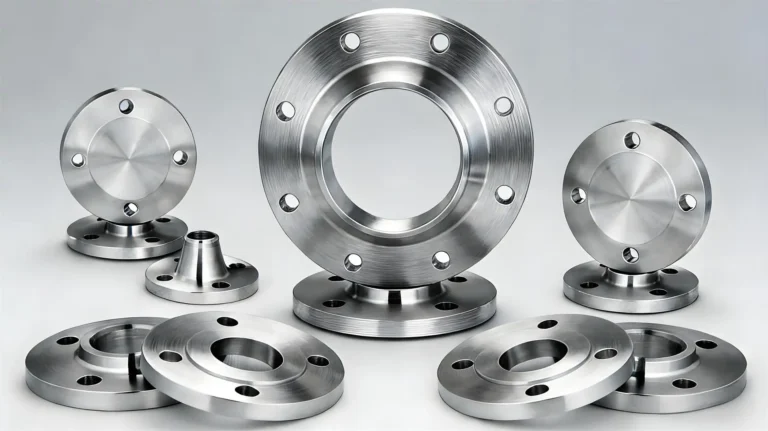
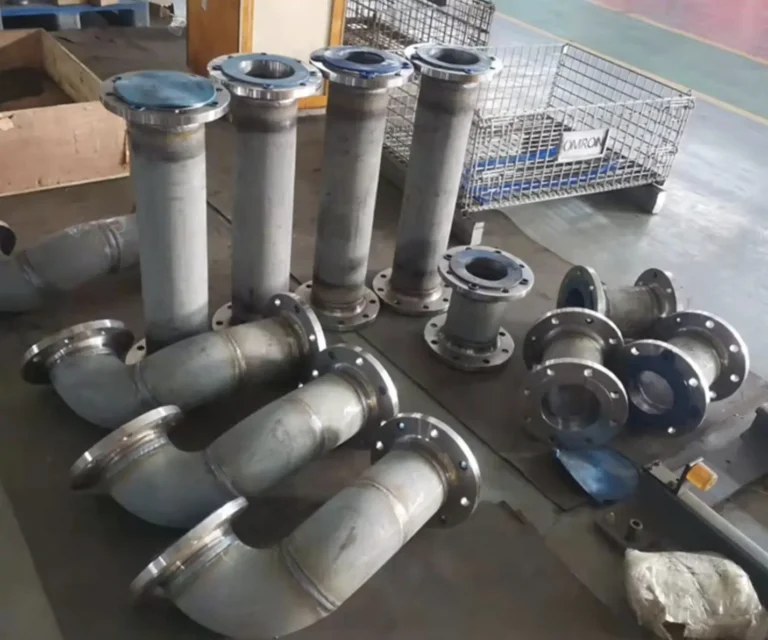
Butt-weld pipe fittings are used in piping systems to connect pipes of various configurations, typically welded directly onto pipe ends to ensure a secure, durable, and leak-free connection. However, the quality of butt-weld pipe fittings directly impacts the safety and efficiency of the entire system. Selecting appropriate butt-weld pipe fittings is critical for system performance and safety. This article outlines different types of butt-weld pipe fittings and relevant industry standards and specifications that ensure their quality and reliability.
Types of Butt Weld Pipe Fittings
Butt weld pipe fittings come in a variety of shapes and sizes, each designed to serve a specific function within a piping system. Below, we explore the most commonly used butt weld fittings and their key features.
Butt Weld Elbows
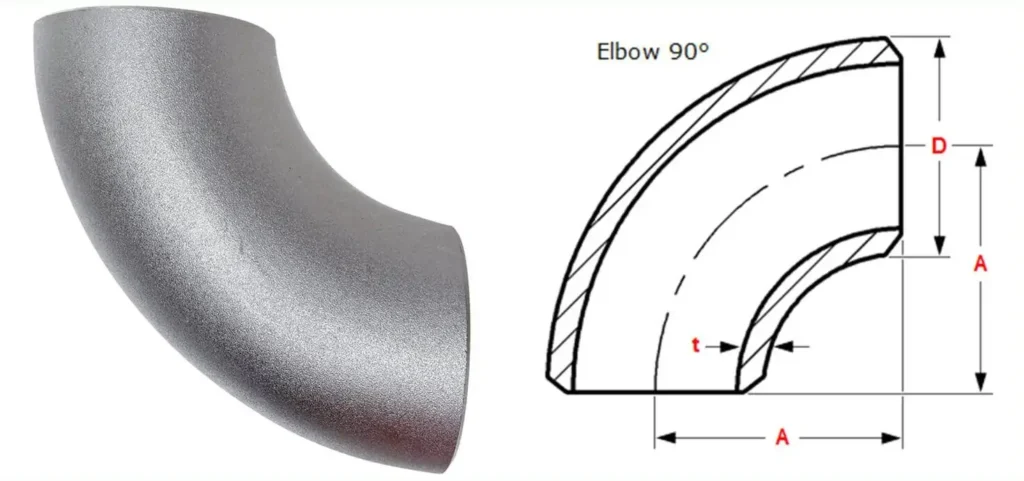
90° Elbow
Used to change the direction of flow in a piping system by 90 degrees. Commonly used in short turns to minimize pressure loss.
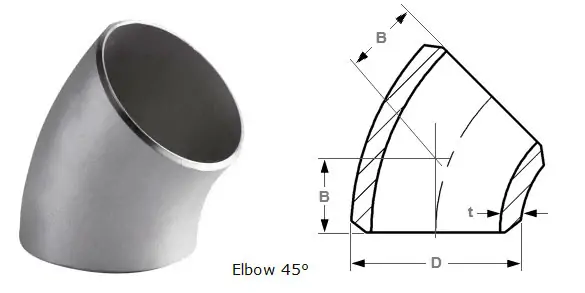
45° Elbow
A gentler turn compared to the 90° elbow, typically used in systems that require reduced turbulence and lower flow resistance.
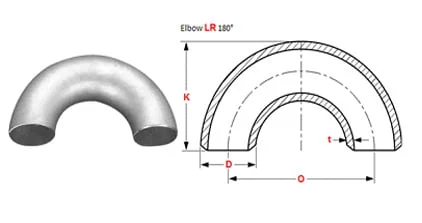
180° Elbow
Used when a full reversal of the flow direction is required, commonly found in closed-loop systems.
Butt Weld Tees
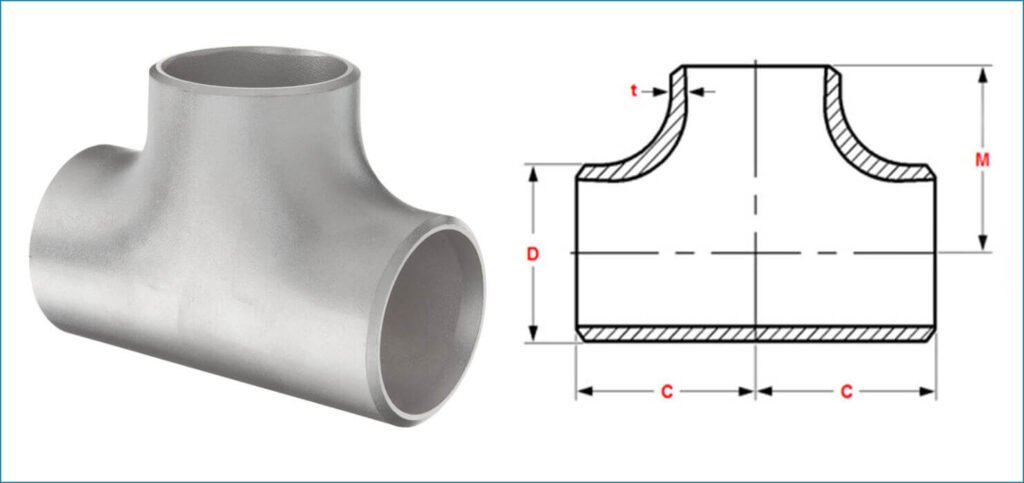
Equal Tee
A fitting where the main pipe and the branch pipe are of the same diameter, commonly used for dividing or combining flows in systems.
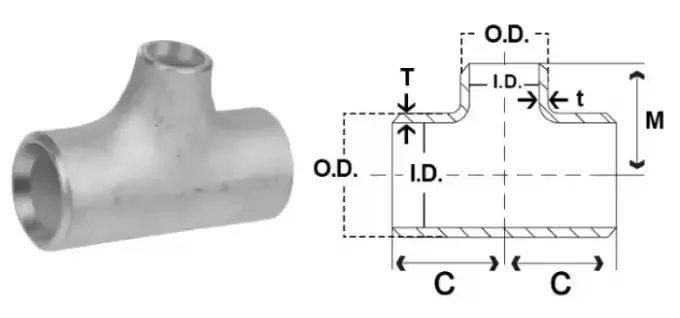
Reducing Tee
A tee where the branch pipe has a smaller diameter than the main pipe, ideal for connecting pipes of different sizes.
Butt Weld Reducers
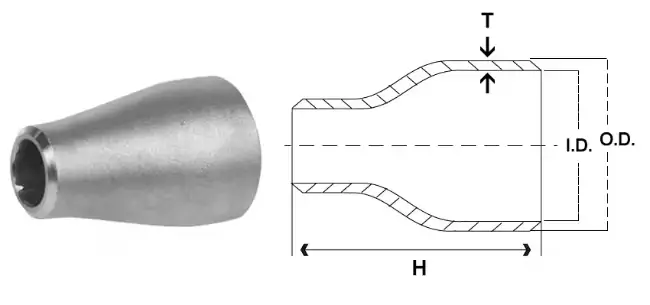
Concentric Reducer
Used to reduce the pipe size in a symmetrical manner, ensuring smooth fluid flow. It has a concentric design, which aligns the center of the larger pipe and the smaller pipe.
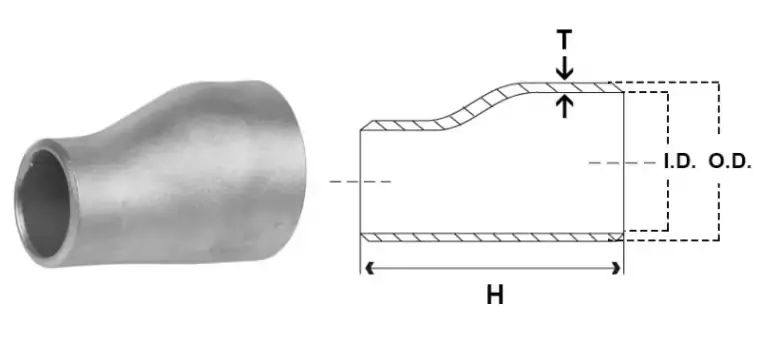
Eccentric Reducer
Designed to reduce the pipe size asymmetrically, maintaining the same top or bottom surface for installation. Commonly used in systems where air pockets must be avoided, such as in pumps and compressors.
Butt Weld Caps
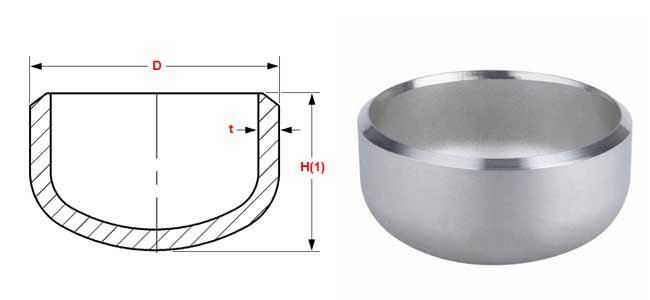
End Cap: Used to close the end of a pipe, often found in maintenance or testing systems to seal off unused branches or sections of a piping network.
Butt Weld Stub Ends
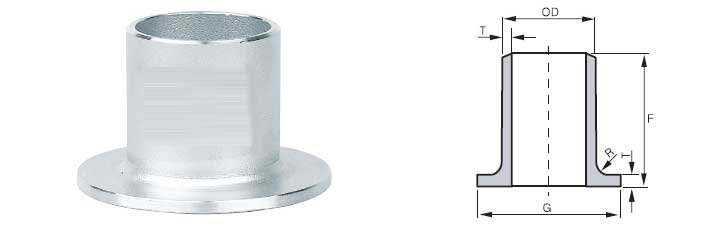
Used to provide a flange connection at the end of a pipe without welding directly to the flange. Stub ends are typically used with lap joints and flanged connections.
Industry Standards for Butt Weld Pipe Fittings
The manufacturing and installation of butt-welded pipe fittings must comply with multiple international standards and specifications to ensure the fittings meet safety, performance, and quality requirements. Below are some relevant standards:
ASME B16.9
The ASME B16.9 standard specifies the dimensions, tolerances, and markings for butt weld fittings. It covers fittings like elbows, tees, reducers, and caps, ensuring consistency and compatibility across different manufacturers and applications.
ASME B16.28
This standard covers the requirements for short radius butt weld fittings. It ensures that fittings designed for tight corners meet the same pressure rating and performance criteria as those made according to ASME B16.9.
ANSI/ASME B16.25
The B16.25 standard focuses on the design, preparation, and installation of butt welding ends. It outlines the proper beveling and preparation methods to ensure a strong, leak-free weld.
ISO 9001
Though not specifically for butt weld fittings, ISO 9001 is a quality management standard often adopted by manufacturers of butt weld fittings. It ensures that the production process is consistent and meets customer specifications.
ASTM A234
The ASTM A234 standard is commonly used for carbon steel, alloy steel, and stainless steel fittings. It defines the material specifications and mechanical properties of pipe fittings to guarantee strength and durability.
DIN 2616
The DIN 2616 standard is used in European countries and covers butt weld fittings for pipe systems. It ensures uniformity in terms of material, dimensions, and mechanical properties.
API 5L
API 5L focuses on pipe specifications for the oil and gas industry. Butt weld fittings made from API 5L materials are designed to withstand high pressures and extreme temperatures in critical applications.
Factors to Consider When Choosing Butt Weld Fittings
Material Compatibility: Ensure that the material of the fitting is compatible with the pipes and the substances flowing through the system. Common materials include carbon steel, stainless steel, alloy steel, and PVC.
Pressure and Temperature Ratings: Butt weld fittings must be rated to handle the pressure and temperature conditions of the system. Higher ratings are typically required in critical industries like oil and gas, where extreme conditions are common.
Welding Process: The welding method used can influence the quality of the joint. A high-quality weld is essential for ensuring that the connection is strong and leak-proof.
Corrosion Resistance: In systems where the fluid is corrosive or exposed to harsh environmental conditions, fittings with excellent corrosion resistance, such as stainless steel or alloy steel, are crucial.
Size and Dimensions: The size and dimensions of the fittings should match the piping system. Standard fitting sizes are governed by international codes, such as ASME and ANSI.
Conclusion
Butt weld fittings are crucial components in various industrial piping systems, providing secure, durable, and leak-proof connections. Understanding the different types of fittings and relevant standards will help you select the right components for your project.
If you are looking for high-quality butt weld fittings for your next project, we are here to help. Our experienced team can provide reliable, industry-standard, and customized solutions to meet your specific needs. Contact us today for expert guidance, competitive pricing, and timely delivery.